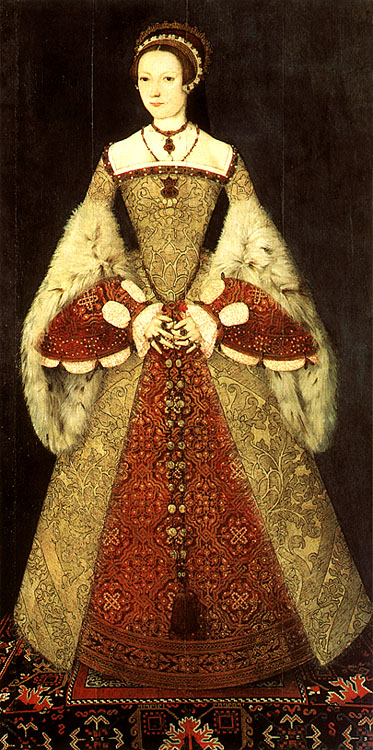
Sunday, September 28, 2008

Who should play the role of Iago and Desdemona?


Iago: Matt Damon


Desdemona: Angelina Jolie


Saturday, September 27, 2008

9/26/08 Homework

The following links to a synopsis of Shakespeare's Othello. Please read Carefully and do the following:Sort by Acts and Scenes:

OTHELLO

Act I, Scene I

· Exposition:
The characters that are introduced in act 1 scene 1 are Roderigo (a gentalmen), Iago(a soldier),Michael Cassio(another soldier), Othello(A Moorish warrior who is now a general in the service of the ruler of Venice), Desdemona, Moor,Brabantio(Desdemona's father.) In this scene both Iago and Roderigo are against Othello. Roderigo became upset with Othello because Rodrigo himself was seeking to marry Desdemona, and Othello ran off to marry her. Lago was also upset with Othello because Lago was a Soldier in the command of Othello. Also Othello replaced Michael Cassio with Lago to be promoted.

· Rising Action:
The rising action is when Roderigo and Lago go to Brabantio to tell him the news that Othello ran off with his daughter Desdemona.

· Climax:

When Barbantio walks to Desdemona's room to see if she's still there.

· Falling Action:
When Roderigo tells Desdemona's father that she ran off with Othello to get married. Barbantio becomes very angry.

· Denouement:
Roderigo is at Barbantio's house and they tell him where he can find Othello

· Resolution:
After finding out where Barbantio can find Desdemona and Othello, he runs in a hurry with such temper.

· Settings:
Place: Venice, Time: Night, Brabantio's bedroom.

· Characters:
Roderigo (a gentalmen), Iago(a soldier),Michael Cassio(another soldier), Othello(A moorish warrior who is now a general in the service of the ruler of Venice), Desdemona, Moor,Brabantio(Desdemona's father.)

· Conflicts: The problem in Act 1 was when Barbantio finds out that his daughter ran away with Othello to get married. Then a conflict forms with Othello and Barbanito.

· Possible Drama Terms mentioned or you predict is in these acts:
Characters
Conflicts
Dialogue
Tragic Flaw
Dramatis personae


Act I, Scene II

· Exposition:

The characters mentioned in scene 2 are Iago, Othello, Rodrigo, Cassio,Duke,and Brabantio.
In this scene we find out that Lago was assisting Othello the whole time. Lago reports to Othello about the whole conversation with Roderigo, about the whole plan in destroying Othello. Later on Barbantio and Roderigo attacked Othello. They asked him where Desdemona is.

· Rising Action: When Othello is attacked by Roderigo and Brabantio. Othello responds to the act with grace and dignity.

· Climax:
When Othello responds to the verbal attack by Brabantio, with grace and dignity.
Also another climax is when Lago tells Othello all about Roderigo's plans.

· Falling Action:
When Brabantio demands Othello to go to prison. Brabanito wants to take the matter in the hands of the Duke, that was waiting for Othell0.

· Denouement:
When Othello is told by Brabantio to go to prison. However Othello refuses to do so and says that Duke needs him for a war meeting.

· Resolution:
Brabantio decides to take the matter to Duke for deciding on that Othello is a criminal.

· Settings:
Venetian street.


· Characters:
Iago, Othello, Rodrigo, Cassio,Duke,and Brabantio.

· Conflicts:
Brabantio and Roderigo form a conflict with Othello by attacking him. They demand him to go to prison but later decide to take the matter into Dukes hand.

· Possible Drama Terms mentioned or you predict is in these acts:
Characters
Conflicts
Dialouge
Tragic Flaw
Dramatis personae
rising action
Falling action
Climax

Act I, Scene III

· Exposition:
The characters mentioned in scene 3 are Duke, Othello, Brabantio, Desdemona, Lago, Roderigo. In this scene everyone gather at the council chamber with Duke and the senators.
Brabantio accuses Othello that he had spelled his daughter Desdemona to fall in love with he. Later Desdemona was asked to come out and tell the truth,and she revealed how much she love Othello. In this scene we also find out that Lago has his own evil plan of getting rid of Cassio by telling Othello that Cassio is another secrete lover of Desdemona.

· Rising Action:
When Brabantio tells the Duke that Othello has spelled his daughter into falling n love with him

· Climax:
When Lago reveals his evil plans about ruining his enemy's by lying to them that such and such is the secrete lover of Desdemona.


· Falling Action:
When Desdemona reveals the truth about her loving Othello and shocking her father.

· Denouement:
Othello has to go to Cyprus to discuss a counterattack. He has to leave in a n hurry.

· Resolution:
Desdemona asks the Duke if she is allowed to go with Othello to Cyprus and the Duke allows her to. However, she has to wait and leave a while later after Othello.

· Setting:
The Chamber council.

· Characters: Duke, Othello, Desdemona, Brabantio, Lago, Roderigo,

· Conflicts:
When Lago reveals his secrete evil plan on getting rid of Cassio.

· Possible Drama Terms mentioned or you predict is in these acts:
Characters
Conflicts
Dialouge
Tragic Flaw
Dramatis personae
rising action
Falling action
Climax

Act II, Scene I


· Exposition:
This scene opens in Cyprus. The characters mentioned in this scene are Montano(the Venetian governor), Othello, Desdemona, Roderigo, and Iago's wife, Emilia, Cassio. A small stormed has occured and Montano fears that Othello and his crew might have been pulled under the waves. Later Desdemona arrives with Roderigo, and Iago's wife, Emilia and also starts to fear that her husband might be pulled under the wave.

· Rising Action:
When Othello and his crew are not here yet at Cyprus and everyone starts to fear that they have been pulled under the waves.

· Climax:
When Othello arrives with safety.

· Falling Action:
Othello enters a while later.

· Denouement:
When everyone leaves with Othello for a feast except for Lago and Roderigo.

· Resolution:
Roderigo and Lago are left alone and they talk about their evil plan.

· Settings:
The setting opens in Cyprus. Seaport to the royal castle

· Characters:
Montano(the Venetian governor), Othello, Desdemona, Roderigo, and Iago's wife, Emilia, Cassio.

· Conflicts:
When Lago tells Roderigo to pick a fight with Cassio when he's on his duty and Lago also lies to Roderigo that Cassio is Desdemona's secrete lover. This gets Roderigo very angry.

· Possible Drama Terms mentioned or you predict is in these acts:
Characters
Conflicts
Dialouge
Tragic Flaw
Dramatis personae
rising action
Falling action
Climax

Act II, Scene II


· Exposition:
The scene opens on a street in Cyprus. the characters that are mentioned in this scene are Othello and some soldiers.

· Settings:
On a street in Cyprus

· Characters:

· Possible Drama Terms mentioned or you predict is in these acts:
Dramatis personae.

Act II, Scene III

· Exposition:
The play opens in the great hall of the castle. The characters that are mentioned in this scene are Desdemona, Cassio, Lago, Othello. In this scene Lago gets Cassio drunk so that Rodergo will have a chance to fight with him. When Othello finds out he dismisses Cassino from duty. Lagos plans start to work out fine.

· Rising Action:
When Lago gets Cassio drunk.

· Climax:
When Lago makes Cassio drunk and makes him fight with Roderigo.

· Falling Action:
After being drunk Cassio now fights with Roderigo and this gets Othello to be very angry with cassino.

· Denouement:
Lago tells Roderigo to fight with Cassio, so that their plans will workout.

· Resolution:
During the fight, Othello comes in to stop them. Othello dismisses Cassio from his duty and Lago's plans are working out perfectly.

· Settings:
In the great hall of the castle

· Characters:
Desdemona, Cassio, Lago, Othello

· Conflicts:
A conflict forms between Cassio and Roderigo. Also then a conflict forms with Othello and Cassino.

· Possible Drama Terms mentioned or you predict is in these acts:
Characters
Conflicts
Dialouge
Tragic Flaw
Dramatis personae
rising action
Falling action
Climax

Act III, Scene I

· Exposition:
The scene opens outside the castle. The characters mentioned in this scene are Cassio, Othello, Emilia, Desdemona. Cassio wants to make friends with Othello again with Musicians playing music in the back. Cassio wants to meet up with Desdemona.


· Climax:
Cassio wants to put Othello in a good mood by bringing muscians.

· Denouement:
Cassio brings musicians to put Othello in a good mood.


· Resolution:
Cassio asks Emilia to meet with Desdemona.

· Settings:
Outside the castle.

· Characters:
Cassio, Desdemona, Othello, Emilia.

· Possible Drama Terms mentioned or you predict is in these acts:
Characters
Dramatis personae
Climax

Act III, Scene II

·Exposition:
The characters mentioned in this scene are Lago, Othello, Cassio, and Desdemona.
In this scene Othello is not present and Cassio makes a visit to Desdemona to ask he for help. Lago's plan works out perfectly.

·Characters:
Lago, Othello, Cassio, and Desdemona.

·Possible Drama Terms mentioned or you predict is in these acts:
Characters

Act III, Scene III

·Exposition:
The scene opens in the garden of the castle. The characters mentioned in this scene are Cassio, Desdemona, Othello, Lago. In this scene Cassio meets with Desdemona to ask her to help him get Othello to be his friend again. Later on Othello is convinced from Lago that cassio is having an affair with Desdemona. Othello becomes very angry in this scene and starts to transform from hero to a vilan.

·Rising Action:
When Lago tells his wife Emilia to steel Desdemona's handkerchief.

·Climax:
When Othello believes everything Lago is telling him.

·Falling Action:
Lago then puts the handkerchief in Desdemona's chamber and tells Othello tat he saw it in Cassio's hand. Othello becomes very angry.

·Denouement:
Lago is using his evil plan against Cassio and making Othello believe that Cassio is having an affair with Desdemona.

·Resolution:
Othello changes from a hero to a vilan from believing in the evil plan of Lago.

·Settings:
Garden of the castle,
·Characters

·Conflicts:
Lago is forming a conflict with Othello and Cassio and Desdemona.

·Possible Drama Terms mentioned or you predict is in these acts:
Characters
Conflicts
Dialouge Tragic Flaw
Dramatis personae
rising action
Falling action
Climax

Act III, Scene IV

·Exposition:
The scene opens in front of the castle. The characters mentioned in this scene are Desdemona,
Clown(a servant to Othello), Emilia,Cassio, Bianca(Cassio's lover.) In this scene Othello ask's Desdemona to see the handkerchief, but she refused because it was lost. Later on Cassio gives the handkerchief to his lover Bianca, because she like the pattern.

·Rising Action:
When Othello asks for the handkerchief from Desdemona.

·Climax:
When Cassio give the handkerchief to his love Bianca.

·Falling Action:
When Desdemona lies that she did not lose the handkerchief.

·Denouement:
Desdemona did not tell the truth to Othello.

·Resolution:
Othello just walks away with anger.

·Settings:
The scene opens in front of the castle.

·Characters:
Desdemona, Clown(a servant to Othello), Emilia,Cassio, Bianca(Cassio's lover.)

·Conflicts:
Othello becomes angry with Desdemona because she did not give him the hendkerchief.

·Possible Drama Terms mentioned or you predict is in these acts:
Characters
Conflicts
Dialouge Tragic Flaw
Dramatis personae
rising action
Falling action
Climax

Act IV, Scene I

·Exposition:
This scene begins on the grounds of the castle. the characters mentioned in this scene are
Lago, Othello,Desdemona,Cassio, Lodovico, Desdemona's kinsman. In this scene Lago tries to convince Othello that both Desdemona and Cassio are having an affair. Lago talks to Cassio about Bianca and Cassio's love, but he makes it try to seem as if Cassio is talking about Desdemona, which gets Othello very angry. In this scene Bianca also becomes angry with Cassio because she finds out that the handkerchief is some other womans. Othello is now thinking to kill both Desdemona and Cassio.

·Rising Action:
When othello yells at Desdemona in front of Lodovico.

·Climax:
Othello is thinking to kill both Cassio and Desdemona.

·Falling Action:
When Lodovico asks Othello to call Desdemona back. Lodovico was surprised that Othello was acting this way.

·Denouement:
Othello want to strangle Desdemona and also wants to kill Cassio.

·Reslution
Othello has to go back to Venice.

·Settings:
On the grounds of the castle

·Characters:
Lago, Othello,Desdemona,Cassio, Lodovico, Desdemona's kinsman.

·Conflicts:
Lago forms another conflcit between Othello and Desdemona and Cassio. Othello now wants to kill both Othello and Desdemona.

·Possible Drama Terms mentioned or you predict is in these acts:
Characters
Conflicts
Dialouge
Tragic Flaw
Dramatis personae
Rising action
Falling action
Climax

Act IV, Scene II

·Exposition:
The scene opens in a room of the castle. The character's mentioned in this scene are Othello, Emilia, Desdemona, Lago, Cassio, Roderigo. In this scene, Othello talks to Emilia about the affair with Cassio and Desdemona. Emilia tells Othello the truth and tells him that Desdemona is a loyal wife,not believing her, Othello talks to Desdemoa himself and disobeys her name.

·Rising Action:
When Othello asks Emilia about the affair.

·Climax:
When Lago tells Roderigo to kill Cassio.

·Falling Action:
When Othello talks to Desdemona and calls her certain names, and also saying that she is not a loyal wife.

·Denouement:
Lago decides to make Desdemona feel better and tells her that Othello be become better soon.

·Resolution:
Lago tells Roderigo to kill Cassio.

·Settings:
In a room of the castle Othello

·Characters:
Othello, Emilia, Desdemona, Lago, Cassio, Roderigo.

·Conflicts:
When Othello talks in an angry manner with Desdemona after believing everything Lago had told him.

·Possible Drama Terms mentioned or you predict is in these acts:
Characters
Conflicts
Dialouge
Tragic Flaw
Dramatis personae
Rising action
Falling action
Climax


Act IV, Scene III


·Exposition:
This scene opens in another room. The characters mentioned in this scene are Othello, Desdemona, Emilia, and Lodovico.


·Climax:
When Othello tells her to get ready for bed and tells Emilia to leave.

·Denouement:
Emilia has to leave the room and Desdemona has to get ready to sleep.


·Resolution:
Emilia leaves shortly and Desdemona is praying for the better.


·Settings:
another room


·Characters:
Othello, Desdemona, Emilia, and Lodovico.

·Possible Drama Terms mentioned or you predict is in these acts:

Characters
Dialouge
Dramatis personae
Climax


Act V, Scene I


·Exposition
The scene opens out on the streets. The characters mentioned in this scene are Desdemona, Othello, Lago, Emilia, Roderigo, Cassio, Lodovico and Gratiano, Biana. In this scene Lago tells Roderigo to kill Cassio. While both Cassio and Roderigo fight, Lago stabs Cassio in the leg. The Lago stabs Roderigo in the back and accuses Biana of doing that and now Biana is arrested.


·Rising Action:
When both Cassio and Roderigo are fighting.


·Climax:
When Lago kills Roderigo.


·Falling Action:
Roderigo dies because Lago stabs him in the back.

·Denouement:
Roderigo is now dead and Biana is accused of killing him.

·Resolution:
Biana is arrested and Cassio is still alive.


·Settings:
Out on the streets.


·Characters:
Desdemona, Othello, Lago, Emilia, Roderigo, Cassio, Lodovico and Gratiano, Biana.


·Conflicts:
Both Cassio and Roderigo are fighting and later Roderigo dies.


·Possible Drama Terms mentioned or you predict is in these acts:
Characters
Conflicts
Dialouge
Tragic Flaw
Dramatis personae
Rising action
Falling action
Climax


Act V, Scene II


·Exposition:
This scene opens in the scene shifts to Desdemona's bedchamber in the castle. The character's mentioned in this scene are Desemona, Othello, Emilia, Montano, Lago, Cassio. In this scene Othello kills Desdemona not even listening to he. Then later Emilia tells Othello the truth about the handkerchief and tells her that Lago made her steal it. Othello finally learns the truth about Lago and later Lago is put into prision. Othello stabs Lago. Later Othello apologizes to Cassio abitu evrything and at the end kills himself next to Desdemona.


·Rising Action:

When Othello tells Desdemona to say her last prayers.
·Climax


·Falling Action:

When Othello kills Desdemona.

·Denouement:
Othello later finds out the truth about Lago and kill him in prision.

·Resolution:
Othello alos apoligizes to Cassio and kills himself next to Desdemona.

·Settings:
The scene shifts to Desdemona's bedchamber in the castle. Prision, in Cassio's room.

·Characters:
Desemona, Othello, Emilia, Montano, Lago, Cassio.

·Conflicts:
Othello kills Desdemona and then kills Lago and finally ate the end kills himself.

·Possible Drama Terms mentioned or you predict is in these acts:
Characters
Conflicts
Dialouge Tragic
Flaw Dramatis
personae Rising
action Falling action
Climax

Thursday, September 25, 2008

Will Smith (Othello)

WILL SMITH

I think that Will Smith should play the role of Othello. Othello has a very strong character as well as Smith. The nature of Othello's character is of a dark man and Will Smith is also the same.

Wednesday, September 24, 2008

9- 24- 08 Homework

1- What rules dictate the behavior of men and women in relationships today?
Men and women is a relationship want their own space.

2- Name a situation in which the rules have been clearly violated?
When a women tells her husband that he doesn't give her enough time, then she needs to understand that he needs time but he may not have it. Basically he needs space.

3- That is, what are things “nice girls” or “nice boys” just don’t do?
They don't get suspicious in their relationships. They don'y spy on eachother because they trust eachother.

4- Why do these rules exist?
To make both sides happy.

5- Do you think they apply locally or even just at your school?
These rules apply locally, happening all around the world.

6- What are the possible consequences of breaking these rules?
Not following them would lead to fights and also can really break a relationship.

7- Do you know if these rules are applicable to other cultures or are they totally different?
I think it depends on the cultures, and their traditions, so some cultures may have these rules strongly used and some are different.

8- Think of scenes from ANY show/movie that adheres to these rules as well as shows/movies that violates these rules.
The movie

Tuesday, September 23, 2008

Do Now: Sept. 24, 2008

Aim: What is the cultural as well as the social context of Shakespeare’s othello?
Please post on your Blog Page.

Do Now:
In yesterday’s lesson, we created a scene. If you had to select an actor to play one of the characters (protagonist/antagonist) who would you choose and why?
I would chose Juanita to be the protagonist, Stephanie to be the antagonist.
I would chose them two because they match the roles quite well.

Who were the Moors?
They were the descend of muslim from north Africa. They were mixtures of Arabs and barbarians.
Source: http://www.shakespearetheatre.org

Who were the Venetians?
The venetians were wealthy and powerful people.

What was the military duty of ranked officers?
They controlled the actions of the entire army and gave orders to other soldiers.

What was the military hierarchy?


What was the role of women?
Women were mostly silent, they didn't really express their opinnions out to the public.
Women got to write, but only prayers and when they had to write about their feelings they only got to express that in poems.
Source: http://www.literature-study-online.com/essays/shakespeare_women.html


What was expected of a daughter?

The daughters were controlled by their fathers. The daughters were to respect and obey their father's wish and also had to marry at the age of thirteen.

Source: http://wiki.answers.com/Q/What_was_expected_of_daughters_in_Shakespeare's_Othello


What was expected of a bride?
The bride had to be loyal to their husband and also they have to give birth to boys.
What relationships between men and women were considered beyond reproach?
Source:http://answers.yahoo.com/question/index?qid=20080216155144AAcy2nV

What rules for getting married existed at the time of the play?

Who was the most famous Moor?
Othello
Source: http://www.pepysdiary.com/p/5444.php

What were the rules of courtship?
Parents and hriends were match makers and decided for the perfect spouse that would get along with his wife quite well. It was not a forceful marriage. If a man was attracted to a certain women then hewould have to get permission from the parents.
Source: http://www.teachit.co.uk/armoore/shakespeare/othello.htm

Monday, September 22, 2008

Do Now Sept 23, 2008

Aim: What are some of the major elements of drama?


Do Now: What comes to mind when you hear the word drama?
Let’s Brainstorm.

Performed by actors on a stage.
Comedy and tradegy.
Opera
Acting.

What is a play?
A play is a type of literature that is mainly written by a playwright.
They have theariticle performances.


What is involved in a play?

Actors, people, stage materials needed for a play and etc.

Where was Shakespeare’s plays staged?
The globe theater in London.


Who did he write his plays for?
Queen Elizibeth The First


Who was his audience?
upperclass, lower class, nobles and etc.

Who were the actors/resses?
The men acted for both the actresses because woman were not allowed to act at that time.

How were the characters dressed?

Both as men and woman.

How did they speak?
The Elizabrthian age english.


Can we plot a play? Exposition, Rising Action, Climax, Falling Action, Resolution.

Yes.

What do you think was the cultural background of the actors/resses? Any people of color?
There were no color of people, mostly whites.

How many of Shakespeare’s plays have you read or know about?
Romeo and Juliet, Hamlet.


Have you ever seen an On/Off Broadway play?
Yes.

Do you like plays? Why or Why not?
Yes because I like classic stuff vey much and plays are very entertaining.

Cooperative Learning:
Okay from what you already know, and learned now tell me if you had to put on a play what kind of play would it be, and what would be involved in putting on your play?

If I had to make a play then I would put it under a comedy play. I would include costumes actors/resses and other stage materials needed for a play.

Here is a topic: that you can work on “if you see something say something” Now if this was the name of your play what monologue/dialogue would you expect or write for this play?

“if you see something say something”

Marya: "Hey guys take a look at the creepy man in the train."
Stephanie: "Oh my gosh, that's a huge coat he's wearing on a hot summer day."
Juanita: "Ha Ha Ha Ha"
Nahida: "Hey guys why is he looking at us.''
stephanie: " Maybe we should go before something happens."
Marya: " Yea maybe we should."
Juanita: " I think he's following us, maybe we should run."
Nahida: "No because then we are going to look like crazy people. Let's juts tell someone because we saw something."

Saturday, September 20, 2008

Do Now Sept, 18, 2008

Aim: How to create a blog page?

Do Now: Assignment of Laptops
Work on Creating and completing blog pages.

Do Now Sept 17, 2008

Do Now: Recall Shakespeare’s poems above and write a brief commentary on the portrayal of women in the Renaissance. You can look at the images and think about whether they seem idealized or realistic.

I think that the woman look realistic, they may have natural beauty.

How does the portrayal of women in the paintings of the period compare with the portrayal of women today such as Tyra Banks, Lindsay Lohan, Queen Latifah, Jesse Randhawa, Marilyn Monroe, Jane Seymour?

The flaws are hidden by makeup and so on. The people in the portrayals do not want their flaws to show, so they try to look as perfect as they can.

DoNow Sept 16, 2008

Aim: How is the Shakespearean Sonnet different from the Petrarchan Sonnet

Do Now: How would you describe your approach to romance when compared to your friends?
Teacher Read Aloud: Elizabeth Barrett Browning’s Sonnet 43

Compared to my friends I think that I may be more romantic than them. I am more soft spoken and quite while they talk.

Comprehension Check:

What question does the speaker of “Sonnet 43” prose and answer?
"How do I love thee."

What is your impression of the romantic relationship described in this sonnet?
I think that the author loves whom he's referring to however she is and every part of her life.

Do you think it is desirable to love or be loved in this way?
I think it's desired to be loved this way, because every one wants to be loved this way.

Literary Analysis:

What symbols are evident in this poem?
Line 1 "How do I love thee? Let me count the ways."

Critical thinking:

Do you think it is wrong to love some so intensely?
No it all depends on the person and how he or she wants to love in which ever way. It's never wrong to do so.

Do Now: Sept. 11-15

Aim: Renaissance sonnets often focus on the great beauty of the beloved. How important is physical beauty or attractiveness in today’s society?

Do Now: What do you think makes you beautiful?
Procedures:

I think how I use my personality is what makes me beautiful in this society. My personality makes me what I really am.

Teacher Read Aloud: Sonnet 130

Write a brief paragraph on what you think is the meaning of the poem.
In this sonnet the poet is describing the many beautiful features of a mistress. He compares her to many things. he thinks that his beloved is as special as any woman.

Think about two questions that you would like to discuss about this poem and write it in your journal/notebook.

Question:
1- In the beginning of the poem is the author trying to say that the things he's comparing his beloved with are better than her?

2- In line 1"My mistress' eyes are nothing like the sun" , is the author trying to say that the mistresses eyes are better than the sun or the sun is much better?

Comprehension check:

Is the speaker’s mistress dark or fair?
Fair, like a tan color.

Do the flaws pointed out by the speaker affect his love for the woman described?
No he loves her no matter what or how she is. she is more beautiful to him then any other woman.

Think Critically:
What do you think is the speaker’s attitude toward the woman he loves?
He's is very happy to love her, which is why he's describing the many features of her and comparing her to many things.

Think about: his descriptions of her physical characteristics, his descriptions of her voice, his conclusion in the couplet.

What do you think might have been Shakespeare’s purpose in writing this sonnet?
he wants to tell the reader that he is describing her true features unlike any other poet had, how she's more beautiful than any other woman that is being described as all lies by other poets.

Does this poem present a realistic or idealized portrait of the beloved?
This sounds like a realistic portrait of the beloved, because he probably experienced something like that in his life time.

Do Now Sept.10

Aim: How can Shakespeare’s sonnet 116 relates to our personal lives?

Do Now: Write about a time when a best friend’s personal flaws got in the way of your friendship. Or, have you ever stopped seeing/loving someone (friend, girlfriend, boyfriend, family, etc.) because of a personal flaw?

One flaw that got in the way of me and my friend is when one of my friends kept talking about herself and keep saying that she's the best at everything. She got on my nerve's and that caused a flaw between us two.

Teacher Read Aloud: Sonnet 116

Write a brief paragraph on what you think is the meaning of the poem.
I think that this poem is about how true love is love that never for any cause breaks or else its no longer a true love.

Think about two questions that you would like to discuss about this poem and write it in your journal/notebook.

Question:
1- Why does the author mention in line 2 that "love is not love."?
2- What does line 13 imply about love?

Cooperative Learning:
Thematic: What is the overall Theme of this sonnet? Cite supporting lines from the sonnet
(There is no true love form line 2), (Admit impediments. Love is not love.)

Literary Analysis: Look carefully at lines 5-8 notice any metaphors?
(It is the star to every wand'ring bark,) line 7

Think About: What kind of person might the speaker be? The likely age of such a person. The experiences that such a person might have had.
He probably has experienced love in his life. Basically he is an experienced person for the fact that he knows so much about true love.

Do you think the speaker’s concept of love is realistic? Why or Why not?
Yes because it goes on in the society all around us or may be is is also experienced about true love.

Connect: What is the ONE flaw that could turn you away from a person? What do you think you can do to overlook this flaw (if you are willing)?
one flaw is when people don't know how to give and take space for themselves. One way to cure this flaw is of course to give and ask for space and live happily ever after.

Donow Sept. 8-9, 2008

Do Now: What are the two most important things that you know about Shakespeare and the period?

Age of Renanssance
Elizabethan Era (golden age of Lit.)
Romeo & Juliet
Born - 1564
Died- 1616

Sonnet 29

Write a brief paragraph on what you think is the meaning of the poem.
Think about two questions that you would like to discuss about this poem and write it in your journal/notebook.

Sonnet 29 ( "When in disgrace with fortune and men's eyes")

This sonnet talks about how the speaker feels an outcast from the rest of the men. he decribes of how he weeps alones and feels very lonely. He wants more hope like the others. He is not happy with his own fate. He was the least from all of the men.

Questions:
1- What would " sweet love" imply to in line 14.
Partners answer: I think it imply's to someone he loves or the happiness brought by wealth.
2- In line 6 who is the author implying to as him?
Partners answer: He might be implying to the rich person he is talking about.


Cooperative Learning:
Thematic Question:

What is the overall theme of this sonnet?
Wishing for a better fate.

Cite supporting lines from the sonnet

4- And look upon myself, and curse my fate,
5- Wishing me like to one more rich in hope,

Is this a Love Poem or Self Pity Poem? Cite supporting lines from the sonnet
I think that its a self pity poem. (Line 5- A better man with better features. )

Compare & Contrast:

How is this sonnet different from Sonnet 18?
Sonnet 18 has the autor talking about someone else and their features, however sonnet 29 the autor is describing himself and how he feels.

Analytical Question:

What changes the speaker’s mood? What do you think are the speaker’s strongest feelings in this sonnet?

The speaker thinks about someone else and his condition improves.
(Haply I think on thee, and then my state,)

Literary Analysis:
What literary techniques/devices are evident in Sonnet 29?
Setting, metaphor, imagery.

Friday, September 19, 2008

My Precious Mother

You are the sun that shines in the morning. (A)
You Are the one that excels my hearts pace. (B)
You are the blooming flower during spring. (A)
You are the smile on my precious face. (B)


As I cry in tears you hold me tight. (C)
My sad tears begin to fade away. (D)
And as I am no longer alone in fright,(C)
And I hope that forever you will stay. (D)

As the seasons change you think I will too. (E)
You think I will leave like the leaves in fall. (F)
But no matter what, that will not be true. (E)
I will be with you whenever you call. (F)

In the night all I dream is of you, (G)
and how I can tell you that I love you. (G)


Saturday, September 6, 2008

Shakespears Biography.

Birth: 26 April, 1564

Birthplace: tratford- Upon- Avon

Educaton: Went to a grammer school in Manhattan.

Died: 23 April 1616

Donow: Sept. 4-5 2008

Donow: Sept. 4-5 2008

Aim: Who likes Shakespeare why or why not?
Procedure: Teacher will give students handout and read aloud Sonnet 18.

Do Now: Students will read along and annotate.
Answer the following questions on the handout.

Shakespeare's Sonnet 18 Student’s Paraphrase


1. Shall I compare thee to a summer's day? (A)
2. Thou art more lovely and more temperate: (B)
3. Rough winds do shake the darling buds of May, (A)
4. And summer's lease hath all too short a date: (B)
5. Sometime too hot the eye of heaven shines, (C)
6. And often is his gold complexion dimmed, (D)
7. And every fair from fair sometime declines, (C)
8. By chance, or nature's changing course untrimmed:(D)
9. But thy eternal summer shall not fade, (E)
10. Nor lose possession of that fair thou ow'st, (F)
11. Nor shall death brag thou wand'rest in his shade, (E)
12. When in eternal lines to time thou grow'st, (F)
13. So long as men can breathe or eyes can see, (G)
14. So long lives this, and this gives life to thee. (G)


Comprehension Check:
What is being described in the sonnet?
I think that the author is trying to compare a summers day to the beauty of some individual.

Identify any literary techniques or devices?
Rhyming, Repetition , alliteration, setting , personification, Rhetorical question, Theme, Apostrophe, Theme.

Indicate the rhyme scheme at the end of each line.(hint line 1&2 have same rhyme day & may so place an A at the end of each line, then lines 2 and 4 rhyme temperate and date so place a B at the end of these lines…see if you can continue the pattern. The last line is G.
(A,B,A,B,C,D,C,D,E,F,E,F,G,G)

How many lines are in this sonnet?
14 lines.


Critical thinking:

What is this sonnet about?
This sonnet is about how the beauty of a person will last even though a summers beauty will not because it is very short.

What is the theme of this sonnet?
How beauty lasts forever.

Paraphrase the sonnet line by line as you would to a friend. You can paraphrase it using slang's, Spanglish, abbreviated spellings etc. See Hyde’s model above and you have to do this for every line.

Should I compare you to summer's day.
You are way more lovely and more continuous and constant.
Rough winds shake the beloved buds of may.
Summer is way too short.
Sometimes you are more beautiful then heaven.
And Sometimes the beauty will fade.
And the Beauty of someone will be lost.
Or if nature changes it's fortune.
But your adolescence should not fade.
Neither will you lose beauty that you will possess.
Death shall not take you away and make you it's own.
As long as man lives you will live.
So long the beauty will live it will live forever.


On Handout: Based on the comprehension and critical thinking questions: Write your definition of a sonnet here:
The definition of this sonnet is that as long a people live to see the beauty of someone then the beauty will last forever.